
-

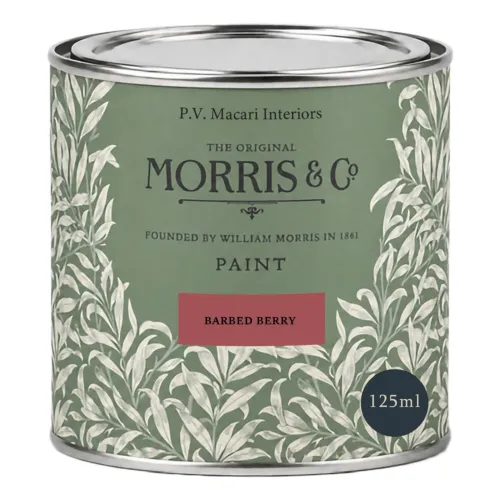 A soft vanilla neutral hue with slight warmth the colour will uplift and lighten any room.
 -

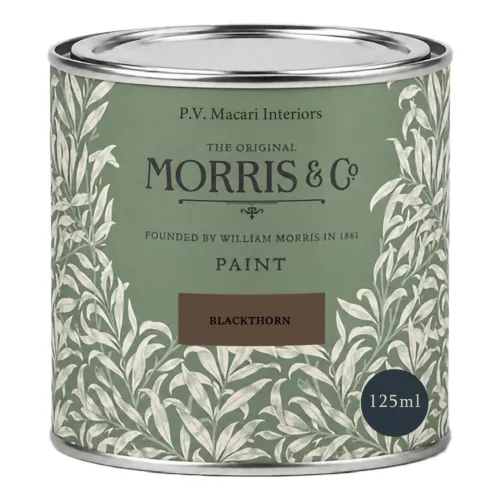 The Sanderson Design Studio has created the Shades Of Sanderson Collection; a colour palette of 140 subtle shades taken from the complete Spectrum colour range of 1 352 colours to make your decorating choices simple.
 -

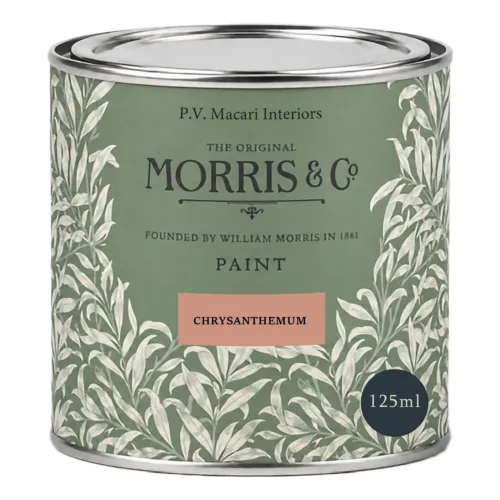 Standen House boasts one of the greatest stores of Morris & Co. products, and provides the inspiration for this muted, timeworn green-grey.
 -

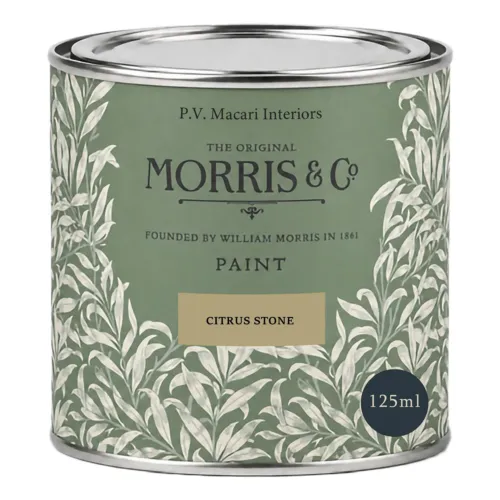 A calming off-white stone colour a versatile and soft option for an interior scheme.
 -

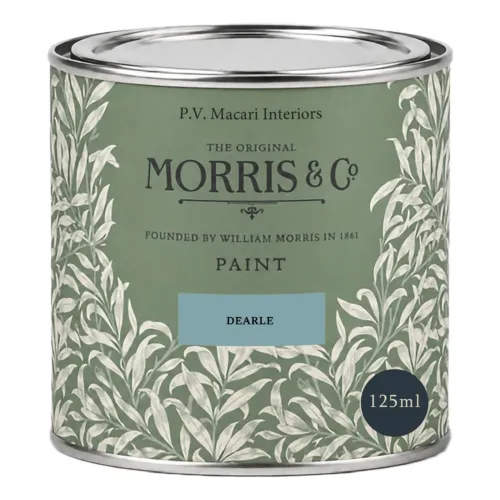 Inspired by the colours and fruits used in an early Morris & Co. design, Fruit (1864), Olive Fruit glows in a wholesomely earthy mid-tone.
 -

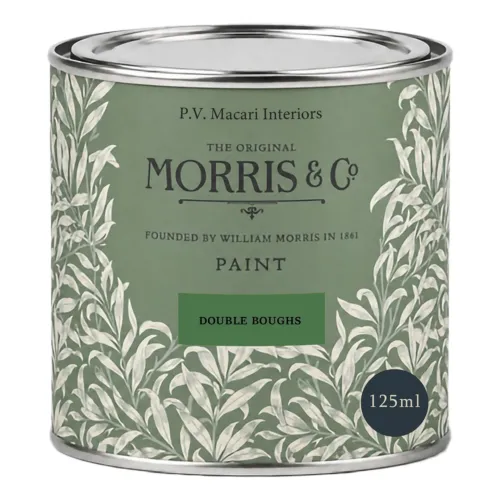 A cool architectural tone, Farringdon Grey is drawn from a colour listed under the Willow design from the original 1905 logbook. William Morris was a leading figure of the Socialist League, which had its office in a loft in Farringdon Street, giving its name to this hue.
 -

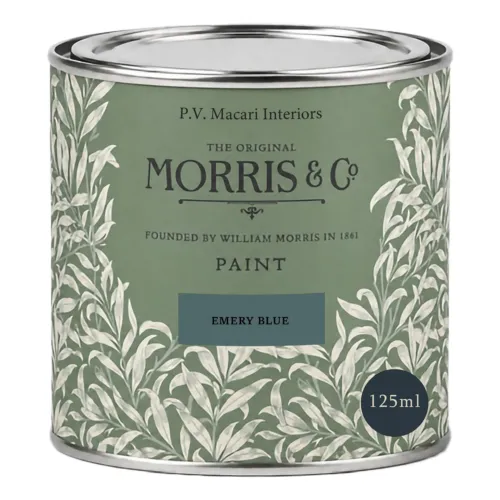 A colour drawn from the original logbook entry for Spring Thicket (1894), Spring Thicket Dawn reminds us of the early morning sun's rays filtered through bushes and branches.
 -

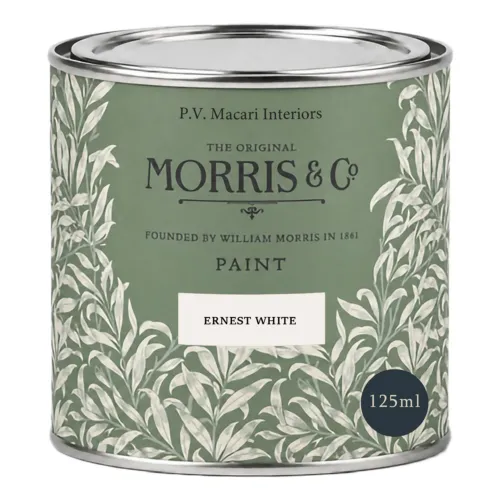 An understated light stone shade calming and contemporary colour that will add a touch of peace into your home.
 -

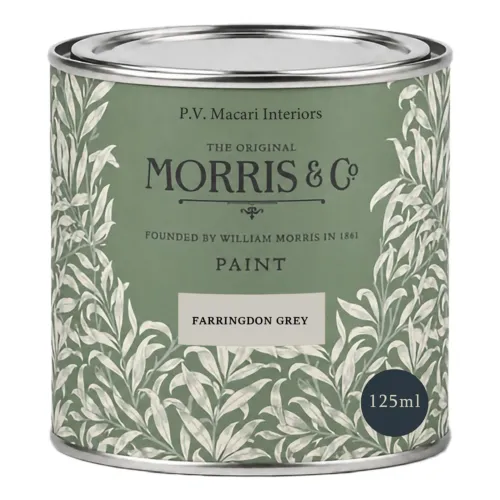 A beige based colour with a subdued green undertone giving a room a subtle traditional feel.
 -

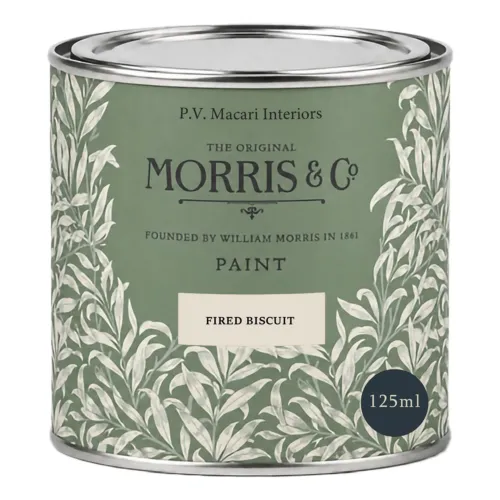 A reassuring off-white that has a touch of pink undertone giving it a subtle yet discernible glow.
 -

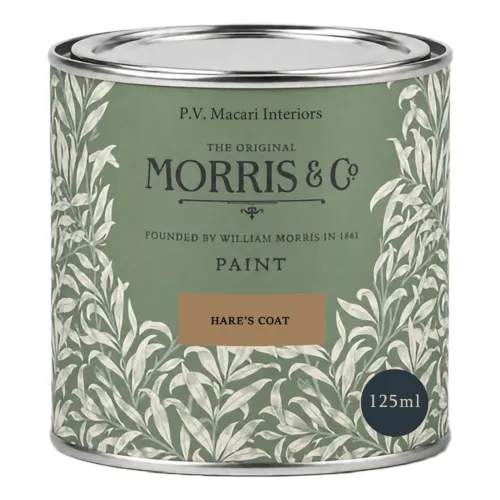 A dark blue, Webb's Blue is perfect for adding a contrastingly moody touch to interiors. The colour is taken from one of the earliest Morris & Co. designs, Trellis (1864), for which Phillip Webb designed the birds perched upon the wooden frame.
 -

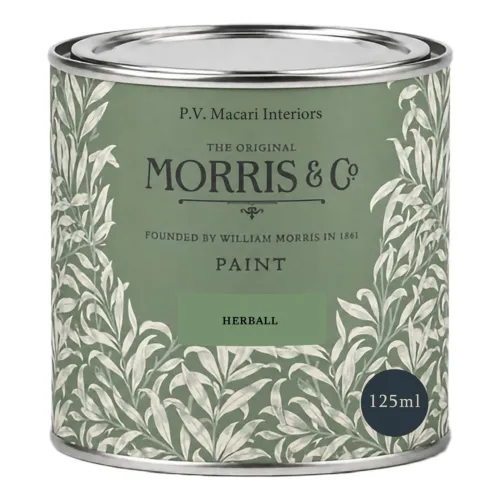 An authoritative white. Morris & Co. was known by colleagues as 'The Firm', an indication of the affection its workers had for the revolutionary company.
 -

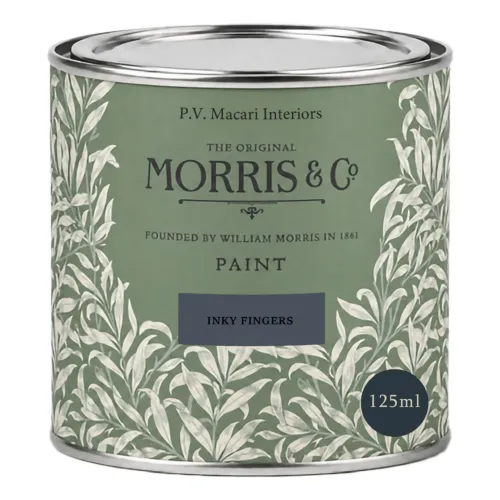 William Morris was remembered being 'up to the elbow' in indigo, as he was trialling the reintroduction of the traditional indigo-discharge printing method at Merton Abbey. Inky Fingers harks back to this moment, where the founder of Morris & Co. was covered in the deeply rich blue colour.
 -

 Capturing the playful spirit of rabbits bounding in and out of burrows, Muddy Warren's deep brown colour draws from this charming countryside scene.
 -

 Relaxing and refreshing off-white shade soft with a silky undertone
 -

 The light brownish colour of clay before it has been fired, known as biscuit, is the perfect way of describing our Fired Biscuit paint. A celebration of Morris's enthusiastic use of neutrals, Fired Biscuit is drawn from numerous colour listings for flowerheads within the original logbooks.
 -

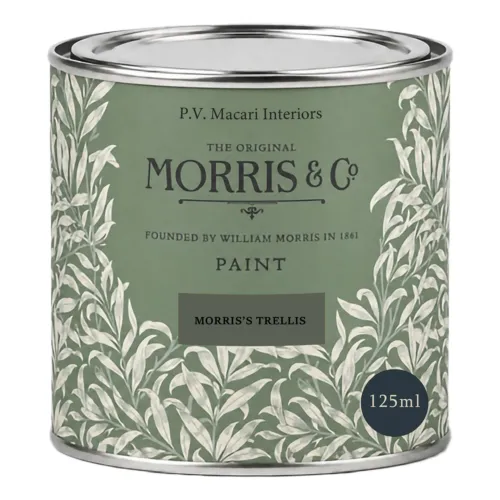 A neutral with a touch of warmth this fresh and calming colourway will add a soothing airy feel.
 -

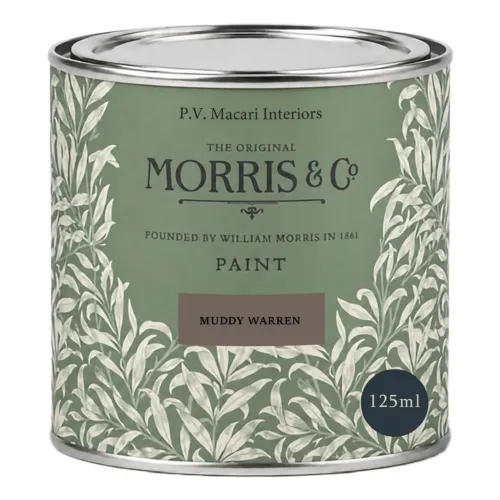 Kick back and unwind with this charming grey as peaceful as an early dawn
 -

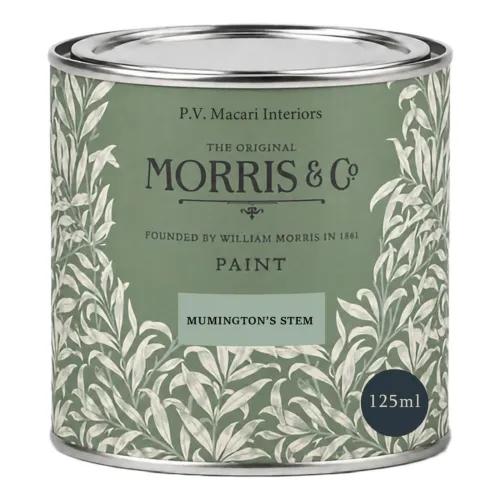 A refreshing sunshine yellow, Weld Yellow is an uplifting hue with an abundant sense of joy. Weld is a dye substance derived from the weld plant, producing a vibrant yellow for which Morris, the expert colourist, had a natural affinity.
 -

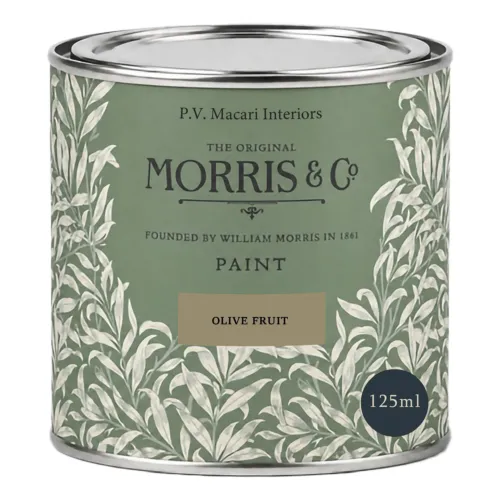 A cooling clay hue with a dust of grey to uplift and illuminate.
 -

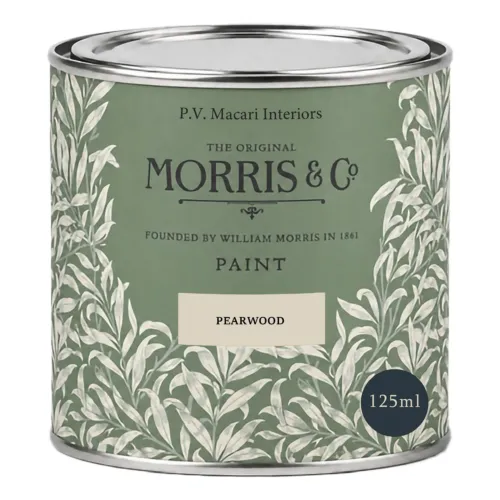 Versatile and understated a pale white which oozes calm and tranquillity
 -

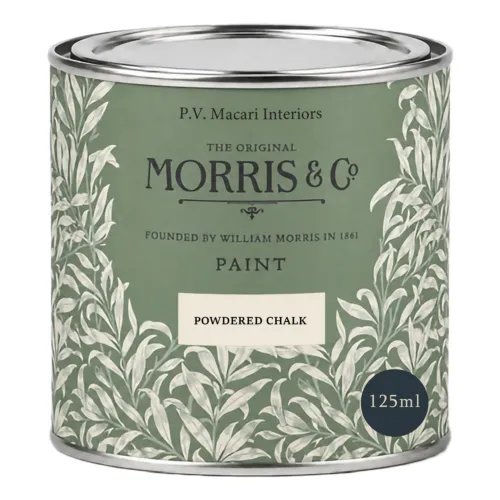 With a hushed hint of grey Crystal Grey will help you recuperate and refresh by adding some calm and tranquillity into your home.
 -

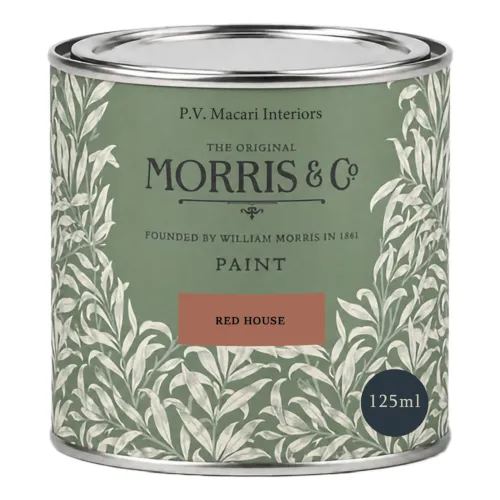 Filled with a nostalgic warmth, this true, deep red was taken from the Morris & Co. logbook entry for the 1879 Sunflower design. Ford Madox Brown, a founding partner of Morris, Marshall, Faulkner & Co. who designed furniture and stained glass, gives his name to this paint colour.
 -

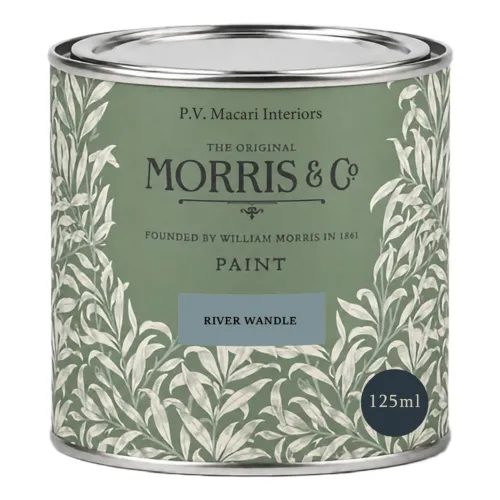 Herball is a fragrant green taken from the delightful Daisy design of 1864. Herball harks back to John Gerard's c.1636 The Herball, an illustrated history of plants which William Morris was so fond of reading.
 -

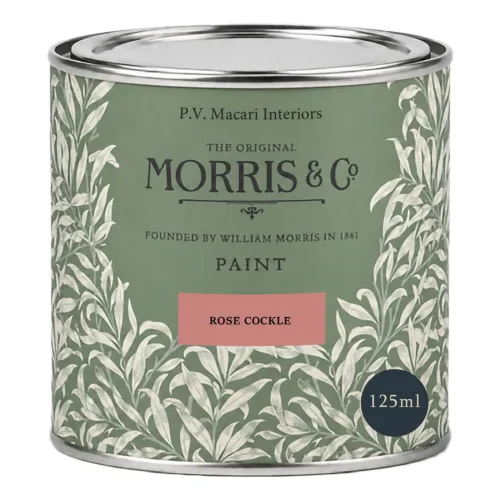 Decorative yet undemanding this classic off-white with yellow undertones is ideal for traditional as well as contemporary spaces.
Paint, Wallpaper and Decorating Supplies
From premium paint to stylish wallpaper, we’ve got everything you need to transform your space. For more than 20 years, P.V. Macari Interiors, based in Co. Armagh, we’re built on quality, value and service — trusted by pros and DIYers alike. As a family‑run business, we combine top‑quality products with genuine expertise to help you achieve the perfect finish.
Get Exclusive Discounts
Join our list for exclusive offers, early access to promotions, and helpful project inspiration.
We treat your information with care to keep it secure, and you can opt out at any time.

Copyright P.V. Macari Interiors
My Account
About & More
Payment
Checkout Powered by


We Deliver